
| « Engaging Iran: Analysis | A Dialogue on the Rights of Corporations » |
Architecture and Climate Change: Building Sustainably
10/04/09
Architecture and Climate Change: Building Sustainably
Facing the threat of global warming, natural disasters and energy depletion concerns, the need for sustainable architecture and sustainable living has become popular.
According to Architecture2030.org, buildings in the US consume 48% of energy, with transportation taking up 27% and 25% coming from other industry sources. Sustainable architecture and a more passive building strategy can dramatically reduce total energy consumption all together.
Recent natural disasters, such as Hurricane Katrina and catastrophic Asian tsunamis, suggest that trends in energy consumption may be aggravating natural disasters like heat waves and flooding.
There have also been consistent trends in the rise of sea levels, presumably because of human-induced global warming. Some experts such as Edward Mazria of Architecture2030.org assert that these trends 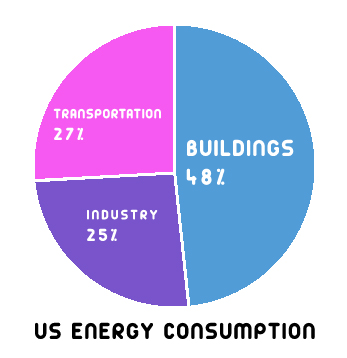 can increase sea levels up to 6 meters within the next 80 years.
Many coastal cities would “cease to exist”, claims Mazria, if this was true. Mazria’s Architecture2030 challenge promotes architects racing to more sustainable approaches by “future proofing” buildings before the year 2030.
If architects are able to do this before 2030 approaches, rising sea levels could be mitigated.
Some of these “future proofing” approaches include using photovoltaic solar panels, green wall, green roof systems and using materials that promote low CO2 emissions. These new green technologies are the way of the future for healthier architecture.
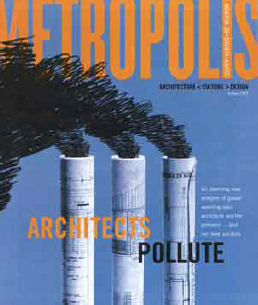
Mazria and Architecture2030.org suggest that architects can save the world. They also suggest that architects are some of the biggest polluters as well.
Should architects have more responsibility with the fate of the world? Should the 2030 challenge define the role of architects? How fast is the clock ticking against us? Will post-2030 be too late? Only time will tell. However, this is an ongoing discussion about the future of architecture, which has substantial and less-discussed effects on us all.
No feedback yet
More about us »
Institutional partners: